
Kibale Travel Guide
Ultimate Kibale Travel Guide: Discover Uganda’s Primate Capital, Wildlife Adventures and Hidden Natural Wonders
The Kibale Travel Guide provides everything travelers need to know before exploring one of Uganda’s most remarkable wildlife destinations. Located in western Uganda, Kibale Forest National Park is famous worldwide for its incredible chimpanzee population, diverse primates, ancient rainforest, birdlife, cultural experiences, and breathtaking natural landscapes. The park offers a completely different safari experience from Uganda’s savannah destinations, allowing visitors to discover the hidden world of tropical forests and the fascinating creatures that call them home.
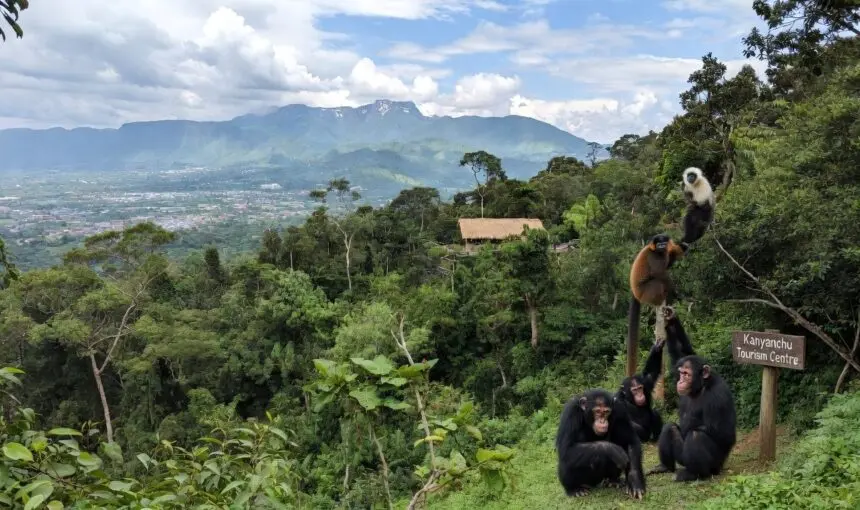
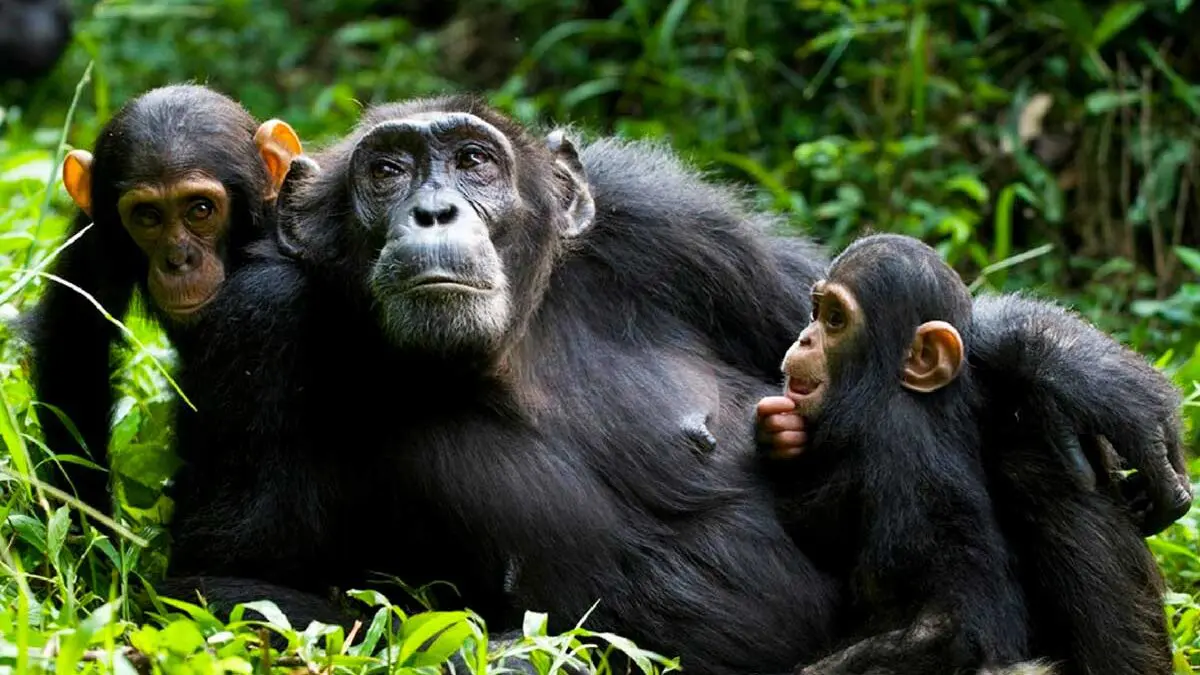
Kibale is often referred to as the “Primate Capital of the World” because it protects one of the highest concentrations of primates in Africa. While chimpanzee trekking is the main attraction, the destination offers much more than a single wildlife experience. Visitors can explore the Bigodi Wetland Walk, discover crater lakes around the region, enjoy bird watching, experience local communities, and combine Kibale with Uganda’s famous gorilla trekking destinations.
This Kibale Travel Guide is designed to help travelers understand everything about visiting Kibale, including attractions, activities, best travel times, accommodation options, transportation, conservation, and safari planning. At Nextgen Safaris, we create personalized Kibale experiences that combine expert guiding, comfortable travel, and unforgettable wildlife encounters while supporting responsible tourism.
Overview of Kibale Forest National Park
Kibale Forest National Park is one of Uganda’s most important protected areas, covering approximately 795 square kilometers of tropical rainforest, woodland, and wetland habitats. The park was established to protect one of the most biologically diverse forest ecosystems in East Africa and has become one of the continent’s leading destinations for primate research and tourism.
The forest landscape is dominated by ancient tropical trees, dense vegetation, and beautiful natural trails that create an authentic rainforest atmosphere. Unlike open savannah parks where wildlife is easily visible from vehicles, Kibale requires visitors to explore on foot, creating a more intimate connection with nature.
The importance of Kibale extends beyond tourism. The forest provides essential habitat for chimpanzees, monkeys, birds, and countless plant species while supporting ecological processes such as water regulation, seed dispersal, and forest regeneration.
Why Visit Kibale Forest?
Kibale offers a unique safari experience because it combines wildlife, adventure, conservation, and cultural discovery in one destination. The park is particularly attractive for travelers interested in primates because it provides some of the best opportunities in Africa to observe chimpanzees in their natural habitat.
One of the biggest reasons to visit Kibale is the opportunity to experience the intelligence and social behavior of chimpanzees. Watching chimpanzees communicate, groom each other, care for their young, and move through the forest creates a powerful wildlife encounter unlike any traditional safari experience.
Beyond chimpanzees, Kibale provides access to beautiful landscapes, community experiences, birding opportunities, and nearby attractions such as crater lakes and Bigodi Wetland Sanctuary. This makes the destination suitable for wildlife enthusiasts, photographers, families, couples, and travelers seeking authentic African experiences.
Chimpanzee Trekking in Kibale Forest
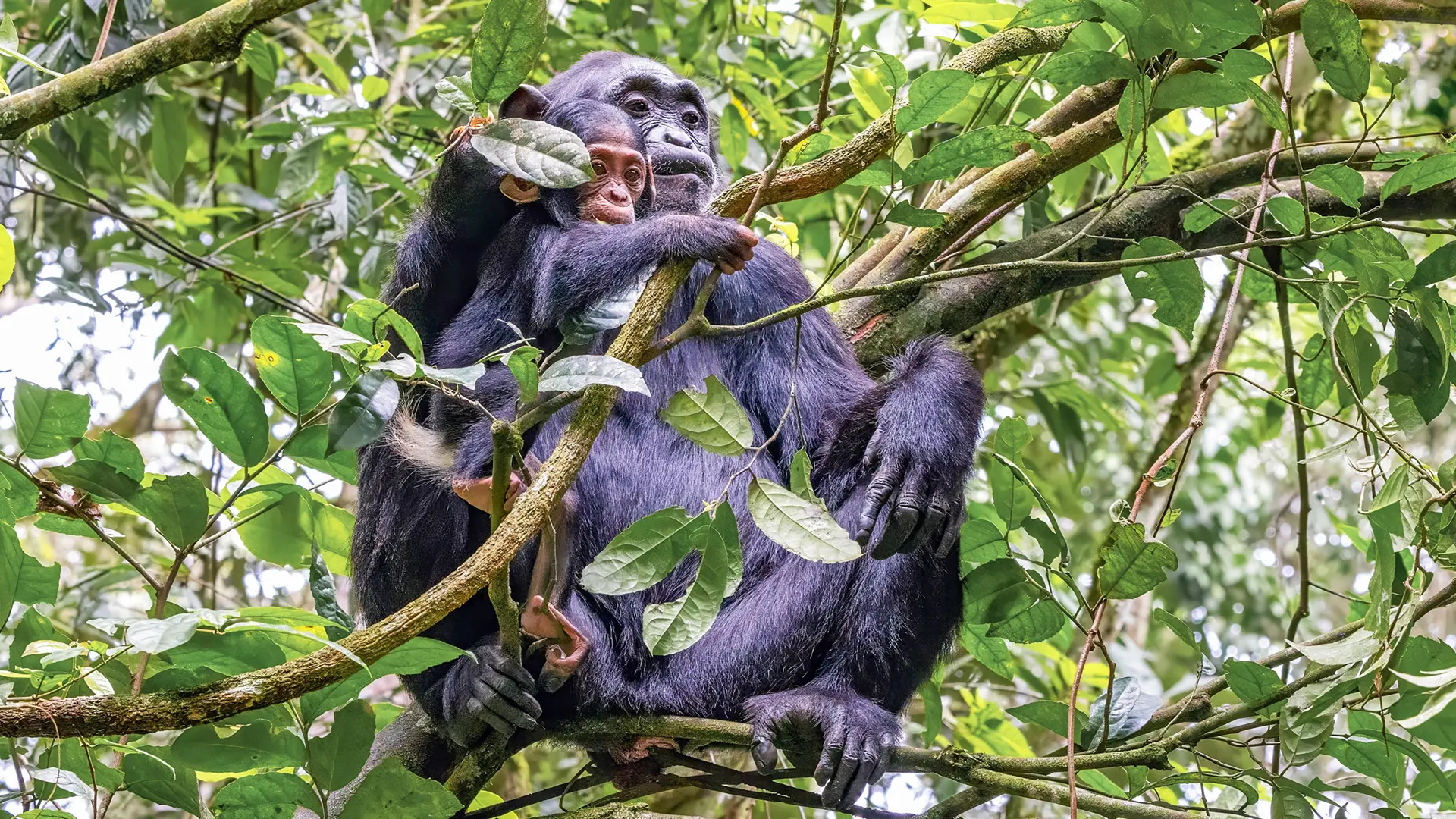
Chimpanzee trekking is the most famous activity included in any Kibale Travel Guide because Kibale is considered one of the best places in Africa to encounter chimpanzees. The park protects a large population of chimpanzees, with several communities habituated for tourism and research.
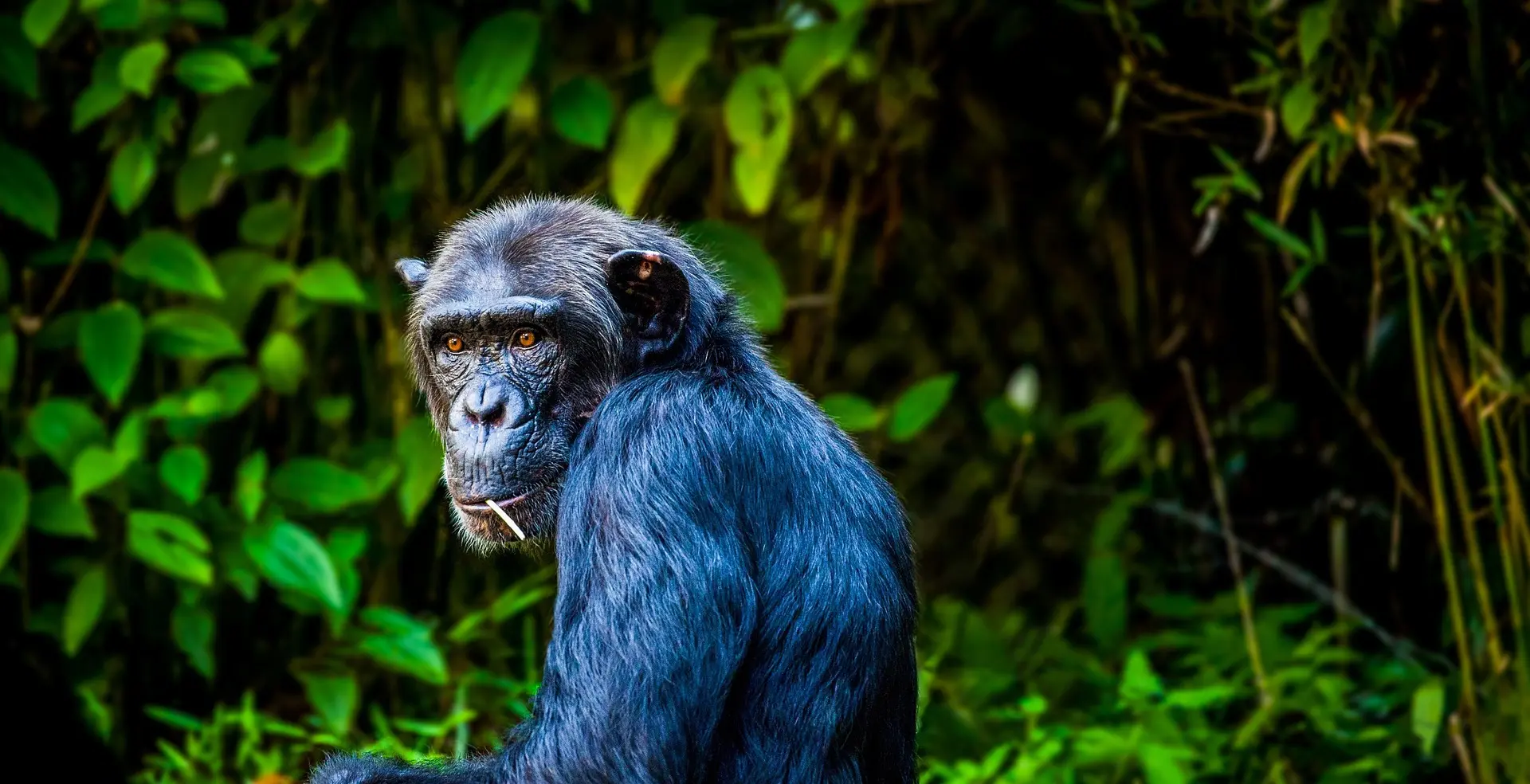
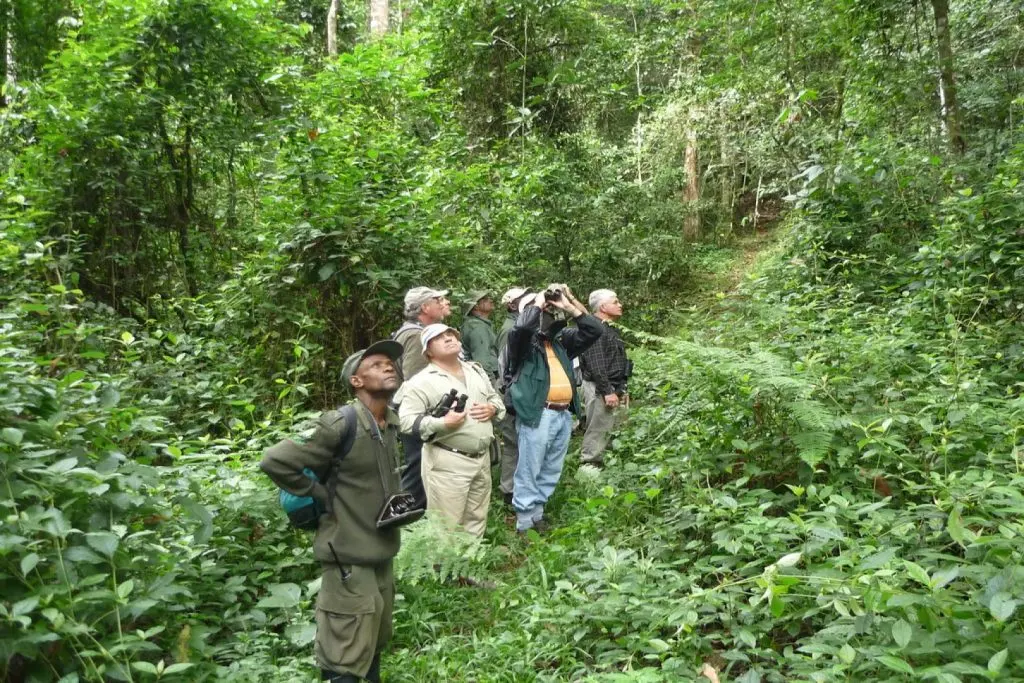
The experience begins with a morning briefing where visitors learn about chimpanzee behavior, conservation rules, and safety guidelines. Experienced guides and trackers then lead visitors into the forest, using their knowledge of chimpanzee movements, sounds, and habits to locate different communities.
Once chimpanzees are found, travelers can observe them as they go about their daily activities. Depending on the situation, visitors may witness feeding, climbing, vocal communication, grooming, resting, and social interactions. These moments provide a rare opportunity to understand one of humanity’s closest relatives.
Chimpanzee Habituation Experience
For travelers who want a deeper connection with chimpanzees, the chimpanzee habituation experience offers a longer and more immersive adventure. Unlike standard trekking, habituation allows visitors to spend more time with chimpanzee groups that are gradually becoming comfortable with human presence.
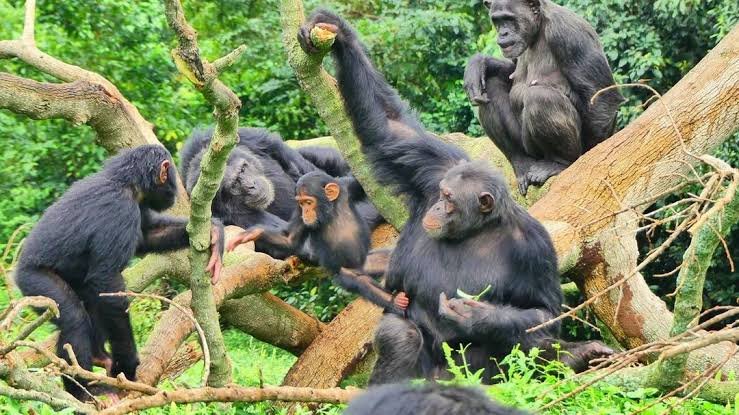
This experience provides more opportunities to observe chimpanzee behavior throughout different parts of the day. Visitors may witness chimpanzees leaving their nests in the morning, searching for food, interacting with family members, resting, and moving through the forest.
The habituation experience is especially popular among photographers, researchers, and wildlife lovers because the extended time allows for better understanding and more meaningful observations of chimpanzee communities.
Wildlife and Primates Found in Kibale
Although chimpanzees are the main attraction, Kibale Forest is home to an impressive variety of wildlife. The park protects 13 primate species, making it one of the richest primate destinations in Africa.
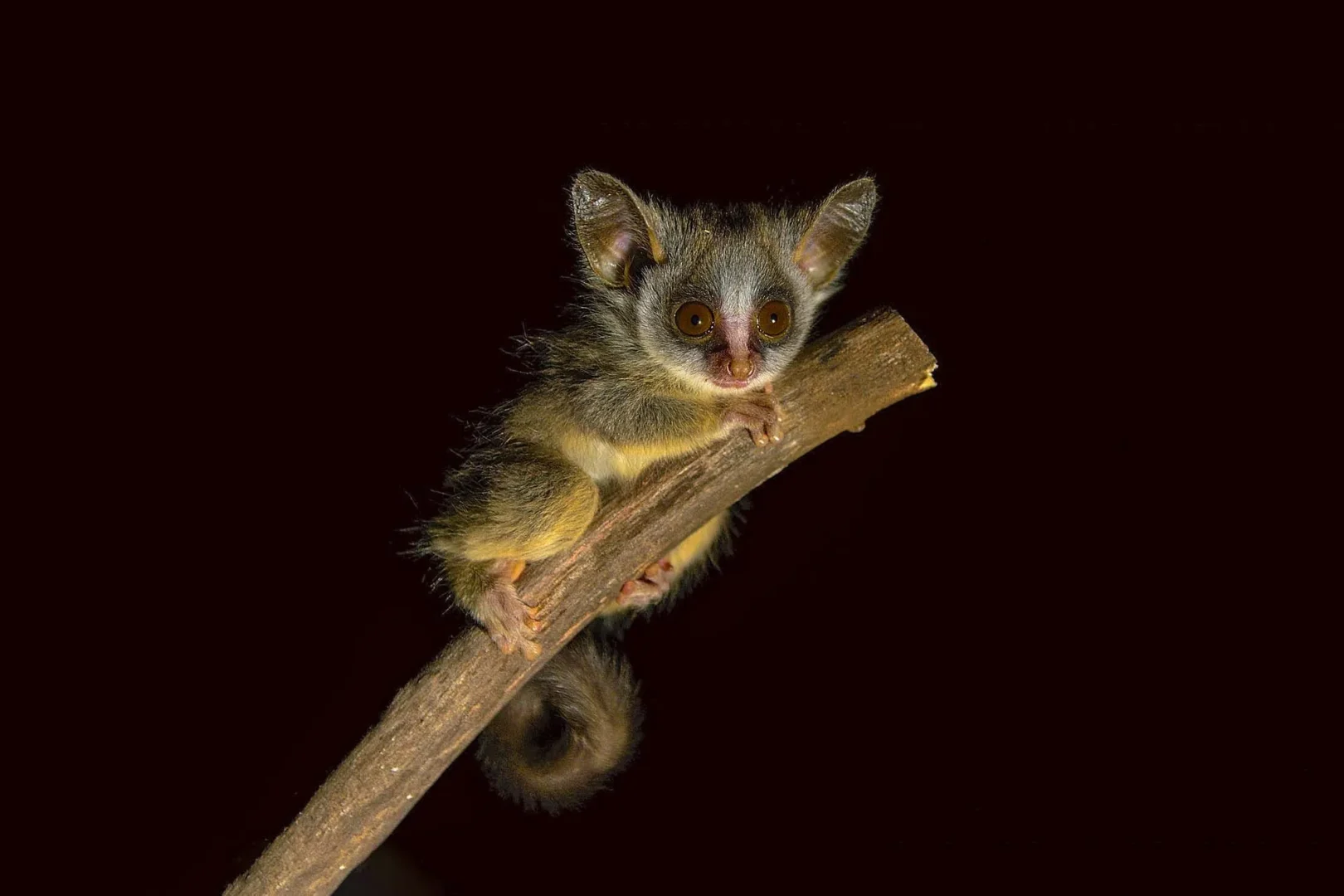
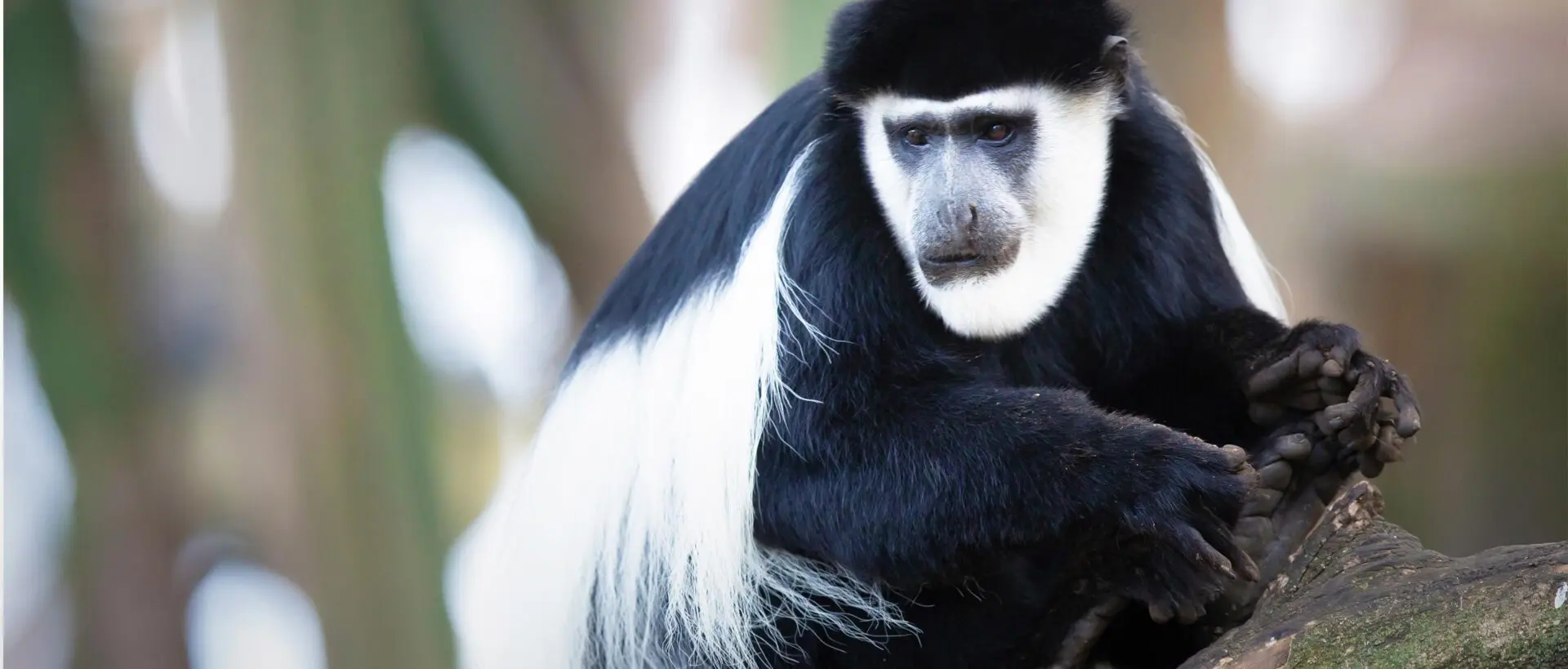
Other primates found in Kibale include red-tailed monkeys, black-and-white colobus monkeys, blue monkeys, grey-cheeked mangabeys, olive baboons, and bushbabies. Each species contributes to the incredible biodiversity that makes Kibale unique.
Beyond primates, visitors may also encounter forest elephants, bushbucks, duikers, mongooses, and many smaller forest creatures. The hidden nature of rainforest wildlife makes every walk through Kibale an exciting exploration.
Bird Watching in Kibale Forest
Kibale is one of Uganda’s best birding destinations, with more than 375 bird species recorded within the park and surrounding areas. The combination of rainforest, wetlands, and nearby agricultural landscapes creates excellent habitats for diverse bird populations.
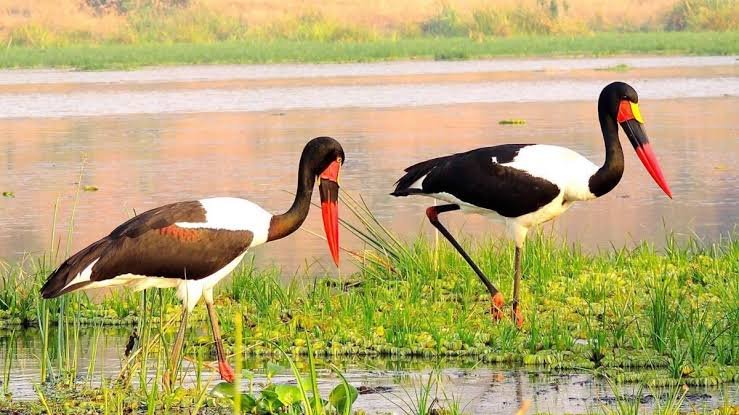
Bird enthusiasts can search for colorful and rare species such as the great blue turaco, African pitta, hornbills, and many forest specialists. The sounds of birds throughout the forest create a beautiful atmosphere during nature walks and chimpanzee trekking.
For photographers, bird watchers, and nature lovers, Kibale offers opportunities to discover wildlife beyond primates and appreciate the full richness of Uganda’s rainforest ecosystems.
Bigodi Wetland Walk Experience
The Bigodi Wetland Walk is one of the best activities to combine with chimpanzee trekking in Kibale. Located near the forest, this community-managed wetland offers visitors the opportunity to explore a different side of the ecosystem.
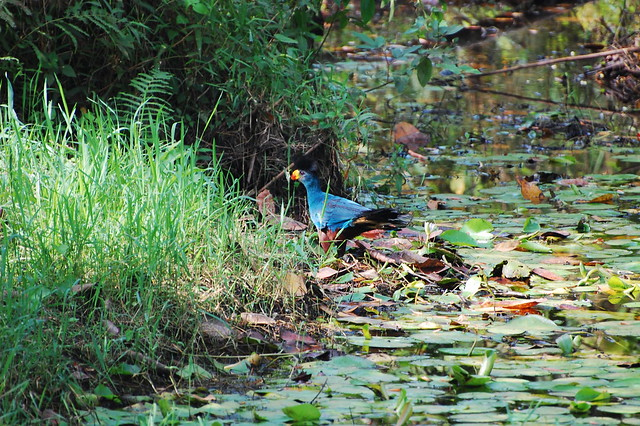
During the guided walk, travelers can observe birds, monkeys, butterflies, plants, and other wildlife while learning about local conservation efforts. The experience is slower-paced compared to chimpanzee trekking and allows visitors to appreciate the smaller details of nature.
Bigodi also provides cultural experiences where visitors interact with local communities and learn how tourism supports conservation and sustainable development.
Exploring the Crater Lakes Around Kibale
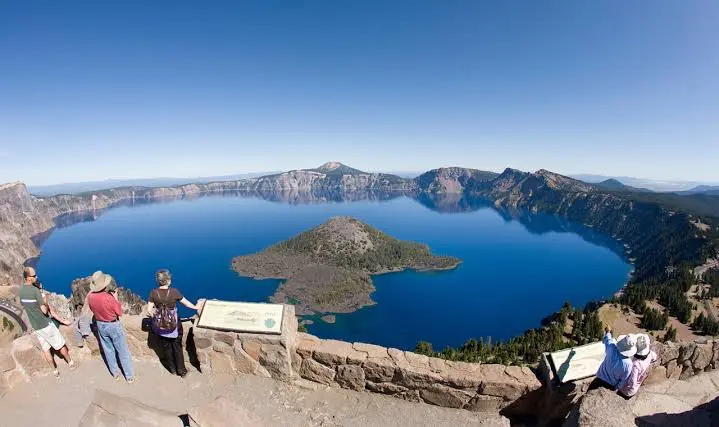
The crater lakes around Kibale provide some of the most beautiful landscapes in western Uganda. These volcanic lakes were formed thousands of years ago and are surrounded by green hills, forests, and agricultural landscapes.
Popular crater lakes include Lake Kyaninga, Lake Nyabikere, and Lake Nkuruba. These destinations offer scenic viewpoints, photography opportunities, nature walks, and peaceful environments away from busy tourist areas.
Including crater lake exploration in a Kibale itinerary allows travelers to experience the region beyond wildlife and discover the geological beauty that makes western Uganda unique.
Best Time to Visit Kibale
Kibale can be visited throughout the year, but understanding seasonal conditions helps travelers plan the best experience. The dry seasons from June to September and December to February are generally preferred because forest trails are easier to navigate.
During these periods, chimpanzee trekking conditions are usually comfortable, making them popular months for visitors combining Kibale with gorilla trekking and other Uganda safari experiences.
The rainy seasons also provide excellent opportunities, especially for photographers. The forest becomes greener, bird activity increases, and fewer visitors create a more peaceful experience.
How to Get to Kibale Forest
Kibale Forest can be accessed by road from major Ugandan cities and safari destinations. The journey from Kampala or Entebbe takes approximately several hours and provides opportunities to enjoy Uganda’s countryside landscapes.
Many travelers combine Kibale with other destinations such as Queen Elizabeth National Park, Bwindi Impenetrable National Park, and Murchison Falls National Park.
At Nextgen Safaris, we organize comfortable transportation using reliable safari vehicles with experienced driver-guides who provide safety, flexibility, and valuable information throughout the journey.
Accommodation Options in Kibale
Kibale offers accommodation options suitable for different travel styles, including budget, mid-range, and luxury travelers. Staying near the forest allows visitors to access chimpanzee trekking activities easily while enjoying peaceful natural surroundings.

Budget lodges provide comfortable accommodation for travelers focusing on experiences while keeping costs manageable. Mid-range properties offer additional comfort, excellent meals, and convenient locations.
Luxury lodges provide premium experiences with beautiful settings, personalized services, spacious rooms, and exceptional hospitality for travelers seeking a more exclusive safari experience.
Combining Kibale with Gorilla Trekking
Many travelers combine Kibale with Bwindi Impenetrable National Park to experience both chimpanzees and mountain gorillas in one Uganda safari.
This combination creates one of Africa’s ultimate primate adventures, allowing visitors to explore two different rainforest ecosystems and encounter two of the world’s most fascinating great apes.
Nextgen Safaris designs carefully planned chimpanzee and gorilla itineraries that include permits, accommodation, transportation, and professional guides for a seamless wildlife experience.
Conservation and Responsible Tourism in Kibale
Conservation is at the heart of Kibale’s success as a wildlife destination. Protecting the forest ensures that chimpanzees, monkeys, birds, and other species continue to survive while maintaining a healthy ecosystem.
Tourism contributes significantly to conservation through park fees, research support, habitat protection, and community development programs.
Visitors play an important role by following responsible tourism guidelines, respecting wildlife, and supporting ethical safari operators who prioritize conservation.
Why Choose Nextgen Safaris for Your Kibale Adventure?
At Nextgen Safaris, we specialize in creating unforgettable Uganda safari experiences that showcase the beauty and diversity of Kibale Forest.
Our team provides expert planning, professional guides, comfortable transportation, quality accommodation, and personalized itineraries designed around each traveler’s interests.
Whether you want chimpanzee trekking, bird watching, cultural experiences, crater lake exploration, or a complete Uganda primate safari, we ensure your Kibale adventure is memorable, comfortable, and responsible.
Frequently Asked Questions About Kibale Travel Guide
1. What is the Kibale Travel Guide about?
The Kibale Travel Guide provides detailed information about visiting Kibale Forest National Park in Uganda, including chimpanzee trekking, wildlife experiences, accommodation, transportation, activities, conservation, and travel planning.
It helps travelers understand what makes Kibale one of Africa’s most important rainforest destinations and how to create an unforgettable safari experience.
2. Why is Kibale Forest National Park famous?
Kibale Forest National Park is famous for its incredible primate diversity and is often called the “Primate Capital of the World.”
The park protects one of Africa’s largest chimpanzee populations and is home to 13 primate species, hundreds of bird species, and a variety of forest wildlife.
3. What is the main activity in Kibale Forest?
The main activity in Kibale Forest is chimpanzee trekking, which allows visitors to enter the rainforest and observe chimpanzees in their natural habitat.
Travelers can also enjoy chimpanzee habituation experiences, Bigodi Wetland Walks, bird watching, nature walks, and crater lake excursions.
4. How long should I spend in Kibale?
Most travelers spend between 2 and 3 days in Kibale to enjoy chimpanzee trekking and other activities around the forest.
A longer stay allows time for additional experiences such as the Bigodi Wetland Walk, bird watching, crater lakes, and cultural visits.
5. What wildlife can I see in Kibale Forest?
Kibale is best known for chimpanzees, but visitors can also see other primates including red-tailed monkeys, black-and-white colobus monkeys, blue monkeys, grey-cheeked mangabeys, and olive baboons.
The park also supports forest elephants, bushbucks, duikers, birds, butterflies, and many other species.
6. What is the best time to visit Kibale Forest?
Kibale can be visited throughout the year. The dry seasons from June to September and December to February are often preferred because forest trails are easier to explore.
The rainy seasons are also rewarding because the forest becomes greener, bird activity increases, and there are fewer visitors.
7. Is Kibale suitable for first-time safari travelers?
Yes, Kibale is an excellent destination for first-time safari travelers because it offers a unique wildlife experience that is different from traditional savannah safaris.
Visitors can enjoy guided chimpanzee trekking, beautiful scenery, comfortable lodges, and expert support throughout their journey.
8. Can I combine Kibale with gorilla trekking?
Yes, many travelers combine Kibale with gorilla trekking in Bwindi Impenetrable National Park.
This creates an incredible primate safari experience where visitors encounter chimpanzees and mountain gorillas while exploring two of Uganda’s most important rainforest ecosystems.
9. How difficult is chimpanzee trekking in Kibale?
Chimpanzee trekking difficulty depends on the location of the chimpanzee community and forest conditions on the day of the activity.
The experience involves walking through rainforest trails, but professional guides and trackers support visitors throughout the trek to make the experience enjoyable and safe.
10. What should I pack for a Kibale safari?
Travelers should pack comfortable hiking shoes, lightweight clothing, a rain jacket, insect repellent, drinking water, a camera, and binoculars if interested in bird watching.
Because Kibale is a rainforest environment, being prepared for changing weather conditions is highly recommended.
11. What accommodation options are available in Kibale?
Kibale offers a range of accommodation options including budget lodges, mid-range hotels, and luxury forest retreats. Travelers can choose accommodation based on their budget, preferred comfort level, and proximity to chimpanzee trekking areas.
12. Is Kibale good for photography?
Yes, Kibale is an excellent destination for wildlife and nature photography.
Photographers can capture chimpanzees, monkeys, birds, rainforest landscapes, cultural experiences, and scenic locations such as the crater lakes around the region.
13. What is the Bigodi Wetland Walk experience?
The Bigodi Wetland Walk is a community-guided nature experience near Kibale Forest that allows visitors to explore wetlands, observe birds and primates, and learn about local conservation efforts.
It is one of the best activities to combine with chimpanzee trekking because it provides a different perspective of the ecosystem.
14. Are there crater lakes near Kibale?
Yes, the region around Kibale is famous for beautiful crater lakes formed through ancient volcanic activity.
Popular lakes include Lake Kyaninga, Lake Nyabikere, and Lake Nkuruba, offering scenic views, photography opportunities, nature walks, and peaceful surroundings.
15. How far is Kibale from Kampala or Entebbe?
Kibale Forest is located in western Uganda and requires a road journey from Kampala or Entebbe.
The journey usually takes several hours, but travelers can enjoy scenic views of Uganda’s countryside along the way. Many safari itineraries combine Kibale with other destinations to maximize the experience.
16. Is Kibale safe for tourists?
Yes, Kibale is considered a safe destination for tourists when visiting with professional guides and following park regulations.
Experienced safari guides ensure visitors follow safety procedures during chimpanzee trekking and other forest activities.
17. How does tourism support Kibale conservation?
Tourism supports Kibale conservation through park fees, chimpanzee trekking permits, research programs, and community initiatives.
Revenue from tourism helps protect forests, support wildlife monitoring, and create benefits for communities living near the park.
18. Can families visit Kibale Forest?
Yes, Kibale can be a great family destination, especially for families interested in wildlife, nature, and educational experiences.
Nextgen Safaris can design family-friendly itineraries with suitable activities, accommodation, and travel arrangements based on children’s ages and interests.
19. Why choose Nextgen Safaris for a Kibale safari?
Nextgen Safaris provides professionally planned Kibale experiences with expert local guides, reliable transportation, comfortable accommodation, and customized itineraries.
We help travelers discover chimpanzees, primates, nature, and culture while ensuring a safe, responsible, and unforgettable Uganda safari experience.
20. How can I book a Kibale safari with Nextgen Safaris?
You can book a Kibale safari with Nextgen Safaris by contacting our team with your preferred travel dates, interests, budget, and safari expectations.
Our experts will create a personalized itinerary including chimpanzee trekking, accommodation, transportation, and additional Kibale experiences for an unforgettable adventure in Uganda.
Book Your Kibale Safari Adventure Today
The Kibale Travel Guide reveals why this incredible destination is one of Uganda’s greatest natural treasures. From unforgettable chimpanzee encounters and diverse primates to beautiful landscapes, cultural experiences, and conservation success stories, Kibale offers a truly unique African adventure.
Exploring Kibale allows travelers to connect with nature, discover fascinating wildlife, and support efforts protecting one of Africa’s most important forests.
Contact Nextgen Safaris today and let our experts create your unforgettable Kibale Forest safari filled with incredible wildlife encounters, professional guidance, comfortable travel, and meaningful experiences in Uganda’s famous primate capital.